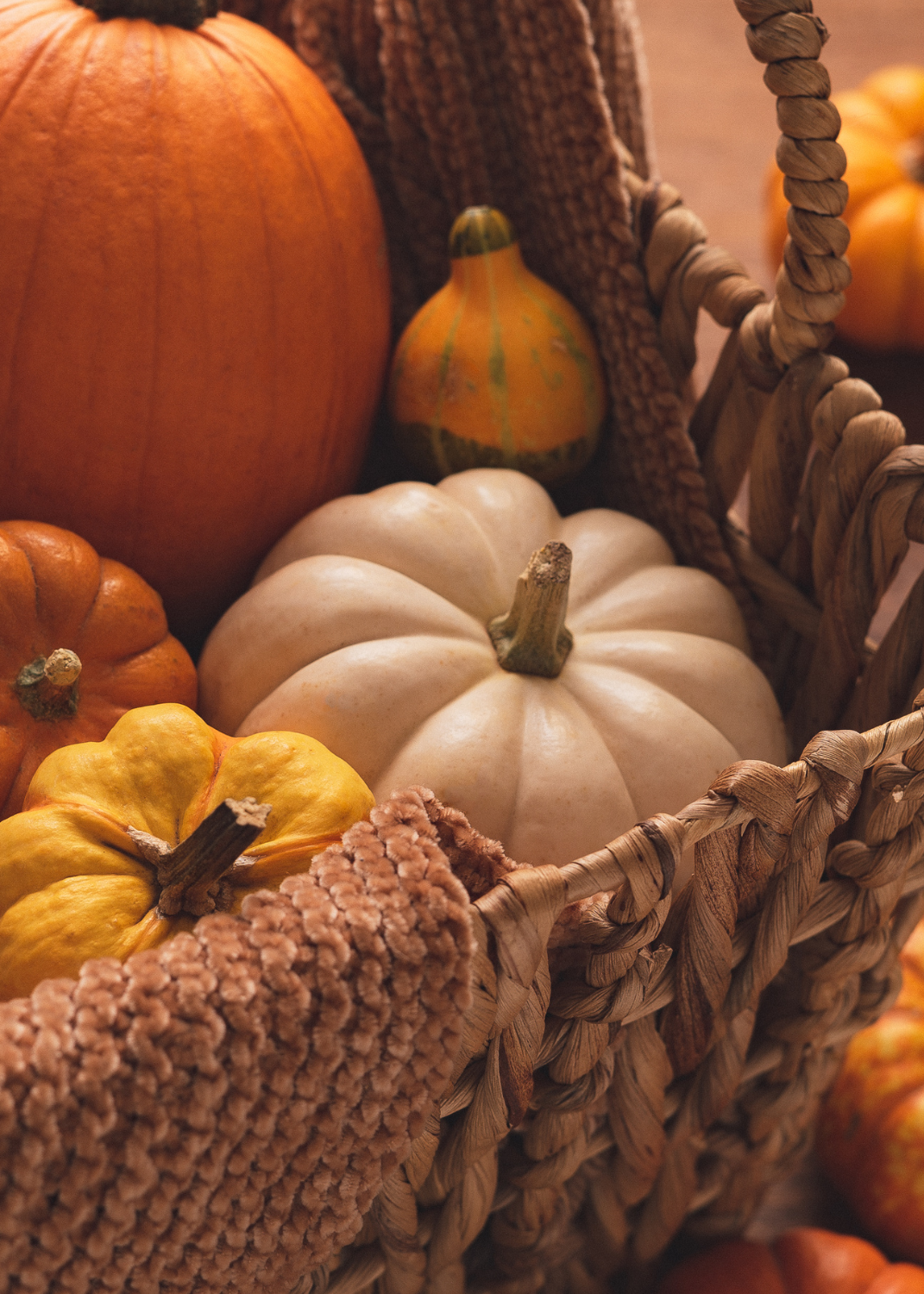
Winter squash is at its best right now, and they’re worth incorporating into the weekly produce rotation. These foods deliver a big dose of vitamin A, potassium and fiber, and carbs that can work for any fueling plan. This combination makes squash flexible. It can top up glycogen in a heavy training block, or add volume and nutrients to a plate when you are eating in a calorie deficit. This guide covers what's in season, the nutrients they offer, and some ideas on how to cook them.
What's in season now
In the northern hemisphere, winter squash and pumpkins are harvested September through October, and their hard rinds allow many varieties to keep for months. That means it’s a good time for items like kabocha, pumpkin and butternut squash.
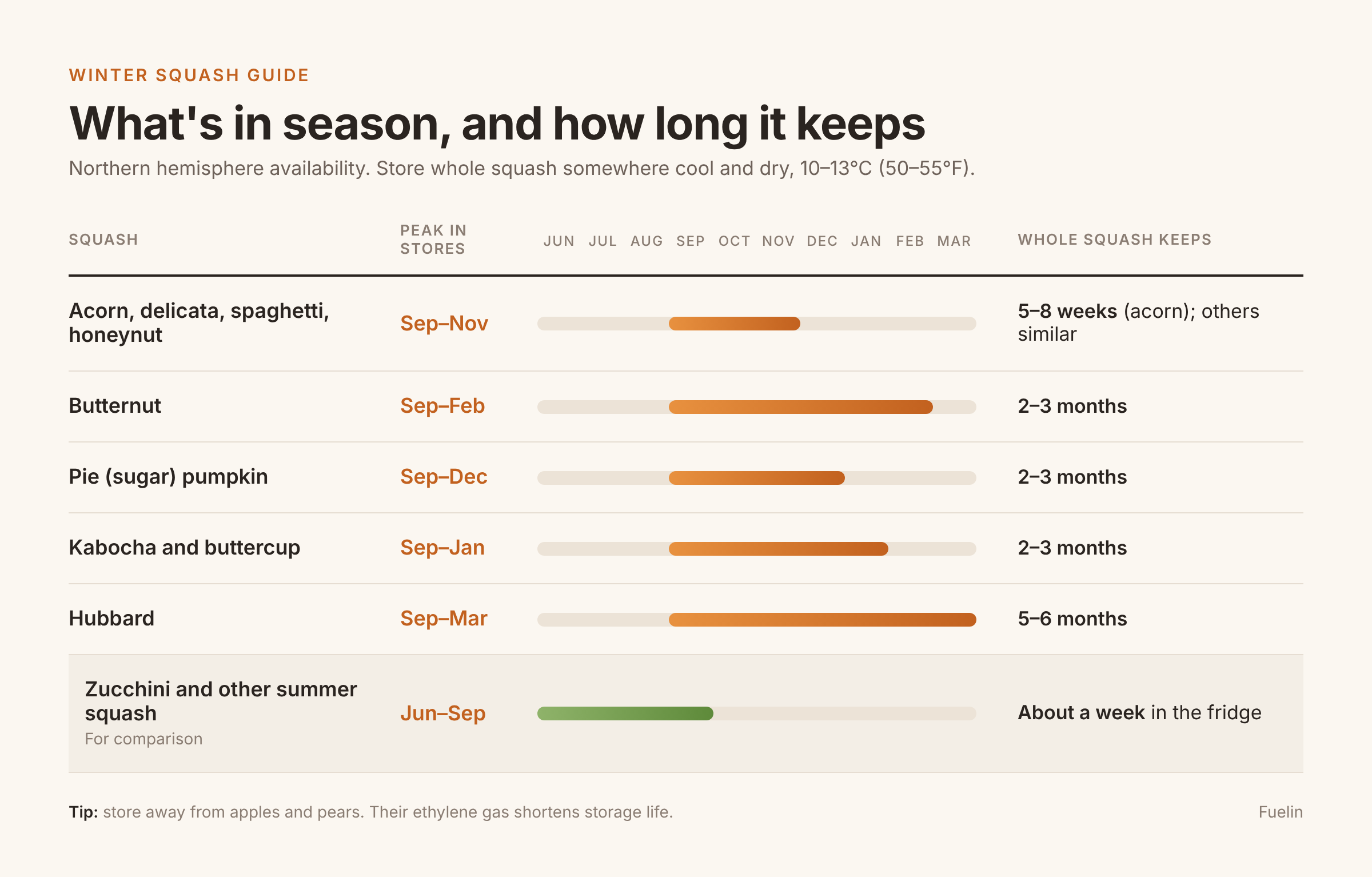
Buying tips. Choose squash that is firm, heavy for its size and free of soft or moldy spots. A dull, hard rind signals a mature squash; a glossy or soft rind means it was picked early and won't store well. Keep squash away from apples and pears. The ethylene gas shortens storage life.
Nutrients in Squash
A cup of baked winter squash has about 18 g of carbohydrate, with less than 1 g of fat and almost no sodium. A cup also delivers about 900 mg of potassium, roughly twice what's in a medium banana, and around 60% of the daily value for vitamin A from beta-carotene, lutein, and zeaxanthin. A squash serving also provides vitamin C, fiber, and vitamin B6, folate and manganese. Don't toss the seeds, either: one ounce of roasted pumpkin and squash seed kernels has ~9g protein, 151 mg magnesium, 4.2 mg iron and 2.1 mg zinc.
Because winter squash are a nutrient-rich carbohydrate, they fit well into any fueling plan. They can help replenish glycogen after training with the added benefit of micronutrients to support the immune system. Orange squash is a great source of carotenoids, which are the plant pigments giving them their orange color. Beta-carotene in particular is converted into vitamin A, which supports vision and immune function and helps keep skin and mucous membranes intact. For athletes, carotenoids can enhance the antioxidant defense against the oxidative stress from training. Note: carotenoids are fat soluble, so eating squash with a small amount of dietary fat improves their absorption. A teaspoon of olive oil, a sprinkle of pumpkin seeds or a little cheese works well.
For those aiming for a calorie deficit, squash adds volume, which is incredibly helpful for satiety while in a deficit. Butternut squash and pumpkin are both great choices. Athletes can stir canned pumpkin or puréed butternut into chili, pasta sauce, or oatmeal. Swap half the pasta or rice in a bowl with roasted squash cubes, or use baked spaghetti squash as a base for meat sauce.
Spotlight: Kabocha
Kabocha is my personal favorite. It’s both: dense and sweet but not overly so, and works well in both sweet and savory applications. Kabocha is a variety of Japanese pumpkin with a squat shape, dark green rind and orange flesh. Cooked, it tastes like a cross between sweet potato and roasted chestnut, with a smooth, filling texture.
Nutrition highlights. Per 100 g raw, kabocha has 78 kcal, 20.6 g carbs, 3.5 g fiber, 450 mg potassium and 43 mg vitamin C.
How to prep it.
- Don't peel it. The rind softens when cooked and is edible. (Fiber!)
- To make cutting easier, pierce the squash a few times and microwave it whole for 2–4 minutes.
- Halve it through the stem end with a heavy chef's knife, scoop out the seeds, then cut into wedges or chunks.
- Kabocha tastes sweetest a few weeks after harvest, once some of its starch has converted to sugar, so a squash that has sat on the counter for a while will taste sweeter
Best ways to cook it.
- Roast: toss 2 cm wedges with a teaspoon of oil and salt, then roast at 425°F (220°C) for 25–30 minutes until the edges caramelize.
- Steam: steam chunks for 10–15 minutes until fork-tender, then mash for easy meal prep.
- Simmer Japanese-style: cook chunks skin-side down in dashi, soy sauce and mirin for about 15 minutes.
Spotlight: Pumpkin
Pumpkin is the volume squash: the lowest in calories of the three and the easiest to sneak into everyday foods. Fresh boiled pumpkin has just 20 kcal per 100 g, and canned pumpkin is one of the least expensive sources of vitamin A and fiber in the store.
Pick the right pumpkin. Small pie or sugar pumpkins, about 2–4 lb, have sweet, smooth flesh. Large carving pumpkins are bred for looks and tend to be watery, stringy and bland, so leave them on the porch.
Canned Pumpkins are Great. Because it's cooked down and less watery, canned pumpkin carries more nutrients per spoonful than fresh boiled pumpkin. One cup has 83 kcal, ~7g fiber and about twice the daily value for vitamin A. Just double-check you’re getting "100% pumpkin," not "pumpkin pie mix," which is meant to be put in a pie crust.
How to prep a fresh pumpkin.
- Cut off the stem, halve the pumpkin top to bottom and scrape out the seeds and strings. Save the seeds.
- Roast the halves cut-side down at 400°F (200°C) for 40–50 minutes, until a fork slides in easily.
- Scoop out the flesh and purée it. If it looks watery, drain it in a fine sieve for 30 minutes.
- Freeze purée in 1-cup portions for quick use.
Best ways to use it.
- Stir ½ cup into oatmeal or overnight oats with cinnamon.
- Blend into a smoothie with Greek yogurt and pumpkin pie spice.
- Fold into pancake or protein-waffle batter.
- Thicken chili, curry or pasta sauce without adding additional fat.
Roast the seeds. Rinse the seeds, pat them dry, toss with a little oil and salt, and roast at 325°F (165°C) for 20–30 minutes, stirring once. Shelled kernels (pepitas) give you 9.4 g protein and 151 mg magnesium per ounce.
Spotlight: Butternut
Butternut is the all-rounder: rich in nutrients and versatile in many recipes. Its tan, bell-shaped body has a sweet, nutty, orange flesh, and the long neck is solid with no seeds.
Nutrition highlights. One cup of baked cubes has 82 kcal, 21.5 g carbs, 6.6 g fiber, 582 mg potassium, 59 mg magnesium, 31 mg vitamin C and 127% of the daily value for vitamin A.
How to prep it.
- Trim both ends, then cut the neck from the round bulb so each piece sits flat.
- Peel with a sturdy Y-peeler; the skin is thin but too tough to eat on large squash.
- Halve the bulb, scoop the seeds, and cube everything into even pieces.
- Need something convenient? Pre-cut fresh or frozen cubes cook the same way.
Best ways to cook it.
- Roast: toss cubes with a teaspoon of oil and salt; roast at 425°F (220°C) for 25–35 minutes, flipping halfway.
- Air-fry: 400°F (200°C) for 15–20 minutes, shaking the basket once.
- Soup: simmer with onion, garlic, broth and a pinch of chili for 20 minutes, then blend. Add white beans or lentils for extra fiber and protein.
In the end, fueling should be enjoyable as well as effective. Seasonal produce is worth building in because it’s fresh, flavorful, and affordable, and a varied diet ensures a good mix of vitamins, minerals and phytonutrients are on the table. From trying new things, athletes may discover recipes they love and can carry into their regular routine. Fuelin is focused on supporting athletes, no matter their goal, whether that means supporting a demanding training block, recovering well between sessions or working gradually toward a change in body composition. Now is the perfect time to squash your goals.