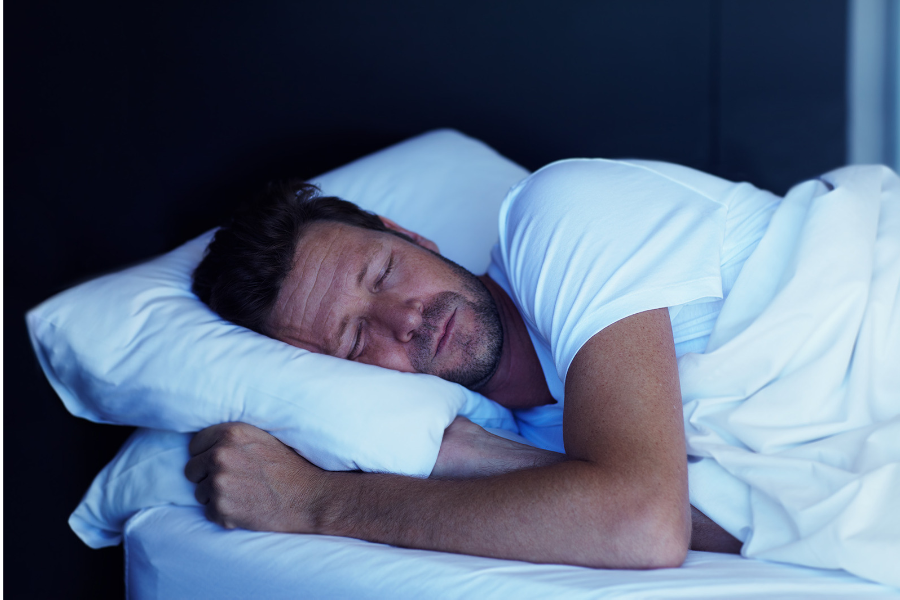
As a nutritionist, most conversations with athletes start with food. We cover how much to eat on a long ride day, what products to use during a threshold run, and how to maximize recovery between two sessions. But many conversations end up on other topics. An athlete reports being hungry all evening, craving sweets after work, or feeling flat in sessions that should be manageable. The common thread, especially for non elite athletes, is sleep.
Sleep shapes appetite, how the body handles carbohydrates, how well muscle repairs, and how hard the next session feels. A well-periodized fueling plan isn’t always enough when paired with chronically short sleep. Athletes need to consider sleep as part of the nutrition conversation, not a separate topic.
Why Sleep is Impaired
Amateur athletes do not share all the luxuries of those who race professionally. Other life commitments may prevent optimal recovery. Most of the research on sleep in sport comes from elite athletes, but the challenges age group athletes face are often similar, and in some ways greater, because training has to fit around everything else.
Age-group athletes are more likely to do early and late training sessions around other life commitments. Early morning training is the most consistent cause of short sleep in the research. For working athletes, it may be the only time available. A 5 a.m. swim or a run before a full day at work shortens the night, and because REM sleep is concentrated toward morning, it is the stage most affected. Evening sessions after work create their own issues, pushing dinner later and leaving the athlete more awake close to bedtime.
Simple, daily, psychological stresses are also linked to poorer sleep quality. Work stress, family responsibilities and screen time can keep an athlete awake in the evening. During race week, pre-race jitters are a common factor in poor sleep. In a survey of 632 athletes, two-thirds reported sleeping worse before an important competition, most often because they had trouble falling asleep. The main reasons were nerves and pre-race rumination, but travel to races also adds long days, time zone changes, and disrupted light exposure.
Training load, scheduling, travel, caffeine, alcohol, diet, stress, and technology all affect athlete sleep and can compound each other. For age group athletes, changing one factor is rarely enough to fix sleep, and it helps to look at the big picture
The Impact of Sleep on Performance
Sleep loss affects some aspects of performance more than others. Endurance is impacted first. Submaximal, prolonged exercise appears more sensitive to sleep loss than short maximal efforts. Maximal strength and anaerobic power often may be fine after one poor night, while longer efforts, reaction time and mood decline sooner.
In one study, eleven men completed a 30-minute run at a steady effort followed by a 30-minute self-paced distance test, once after a normal night of sleep and once after a night without sleep. After the sleepless night, they covered about 3 percent less distance, 6,037 meters compared with 6,224 meters. Their physiological measures and pacing did not significantly change; the perceived effort of running was harder. For an endurance athlete, a higher perception of effort at the same pace turns a planned tempo session or a race into a poor performance.
Now, most age-group athletes aren’t going entire nights without sleep, but partial sleep loss over several nights is common. Research on chronic restriction suggests that once sleep is cut short for four or five nights in a row, strength and sport-specific performance also begin to decline, and the effects build over time. In almost all studies, Mood is worsened, with lower vigor and more fatigue, tension, and confusion.
The relationship also works in the other direction. More sleep = performance improvements. When collegiate basketball players extended their sleep, their sprint times and free throw accuracy improved. Swimmers who slept 10 hours a night for six to seven weeks improved their 15-meter sprint, reaction time, and flip turns, along with their mood. Extending sleep for five or more days appears to be the point at which performance benefits begin to show.
Much of the physical recovery athletes associate with rest happens during sleep, particularly during deep sleep. Growth hormone release is tied to deep sleep, and the body appears to prioritize this deep sleep after hard exercise. After a 92-kilometer ultramarathon, runners slept longer for four nights and spent more time in deep sleep on the first two. REM sleep, which supports memory, learning, and emotional regulation, is concentrated in the later part of the night, which is important to keep in mind because an early alarm may affect these attributes first.
When sleep is restricted, hormonal changes may negatively impact recovery. Cortisol and other stress hormones rise, while testosterone and other anabolic hormones decline. Researchers have proposed that this combination reduces protein synthesis and increases protein breakdown, slowing muscle repair after training. Sleep loss also keeps the sympathetic nervous system more active, instead of focusing on rest.
Sleep loss also affects immune function and perception of pain. Adults who slept less than seven hours had about 30 percent lower natural killer cell activity than those who slept seven to nine hours, and inflammatory markers rise with sleep restriction. Sleep loss can increase sensitivity to pain, and this compounds on itself, because pain makes falling asleep more difficult. During a heavy training block, this is especially important as athletes may be managing soreness or a lingering injury
The Impact of Sleep on Nutrition
When it comes to nutrition, short sleep changes the hormones that regulate appetite. Leptin, which signals fullness, falls, while ghrelin, which signals hunger, rises. Sleep restriction has been shown to increase hunger and appetite, particularly for carbohydrate-rich, calorically dense foods.
Athletes may follow their plan well after a good night but struggle after a lack of sleep. They feel hungrier than usual, find it harder to stick to planned meals, and reach for convenient, calorie-dense snacks in the afternoon and evening. Over the longer term, short and irregular sleep is associated with impaired glucose metabolism, reduced insulin sensitivity, and weight gain. Even further, population studies correlate sleeping one hour less per day with a higher risk of obesity, type 2 diabetes and high blood pressure.
The Impact of Nutrition on Sleep
The relationship between sleep and nutrition works both ways, as nutrition also impacts sleep. When total energy intake is reduced, sleep quality may be disturbed. Athletes who are under-fueling, whether intentionally in a calorie deficit or because a busy schedule leaves little time to eat, may find their sleep suffers as a result. This is one reason Fuelin asks athletes to monitor sleep, persistent fatigue, and unusual hunger, and to consider moving toward an energy balance plan if their subjective wellbeing scores are chronically poor.
Substances that Impact Sleep
Caffeine can be both a performance aid and also one of the most common causes of poor sleep. When taken too late in the day, caffeine can reduce total sleep time, lengthen the duration it takes to fall asleep, increase nighttime waking, and lower sleep efficiency. How long before bed caffeine should stop depends on the athlete and the dose. A cup of tea, around 47 milligrams, may have little effect even close to bedtime. A typical coffee of around 107 milligrams should be stopped about 9 hours before bed, and a pre-workout supplement of around 217 milligrams is best kept for early-day sessions, or about 13 hours before bed. Caffeinated gels or drinks used in an evening session can affect sleep that evening. Caffeine intake also adds up throughout the day from coffee, gels, energy drinks, and pre-workout products. Genetic differences in how quickly caffeine is cleared mean that some athletes will be more or less sensitive than these averages.
Alcohol, unfortunately, is not the sleep aid some people think it is. Even a low dose, about two standard drinks, delayed and reduced REM sleep, and the disruption increases if additional drinks are added. Higher alcohol intake can shorten the time it takes to fall asleep, which likely explains alcohol's reputation for helping sleep, but this comes at the cost of greater REM disruption later in the night, and because REM sleep supports memory, learning and mood, the effects can carry into the next day's work and training sessions.
Now, it’s unrealistic to tell athletes to completely abstain from caffeine or alcohol. It’s (often) a social beverage shared with others and caffeine can aid in alertness and endurance performance. But it may be helpful to approach the decisions around these substances carefully. First, name a goal for the evening. If the priority is recovery, avoid alcohol and keep caffeine to moderate amounts earlier in the day. If the priority is performance, such as an evening race where caffeine helps, use it and accept that sleep may be shorter. If the occasion is a celebration, alcohol can be a deliberate choice, with recovery planned for the following days.
Nutrition’s Impact on Sleep
Nutrition cannot replace adequate sleep, but it can support sleep quality. Diets higher in fiber and closer to a Mediterranean pattern were associated with more deep sleep and fewer awakenings. Carbohydrates appear to help with falling asleep when appropriate to the athlete’s needs and roughly four hours before bedtime. Large meals within about three hours of bedtime are associated with more fragmented sleep, and a late-night dinner may impair overnight glucose tolerance. Timing and meal consistency matter as much as the nutrients themselves. Athletes with regular bed and wake times had better sleep quality even when their total sleep did not change. Going to bed earlier tends to improve quality, while waking later mainly adds duration.
Sleep supplements are a frequent question, but the evidence for them is limited. Athletes should look to food first before reaching for the supplement aisle. Tryptophan may help shorten time to fall asleep and improve perceived sleep quality; turkey or pumpkin seeds both being great sources. Tart cherry juice and kiwifruit contain naturally occurring melatonin, which may shorten the time to fall asleep. Over-the-counter products can vary widely from their labeled dose, and effective doses are usually 0.5 to 1 milligram rather than the 10 milligram products often sold. Iron, zinc, and magnesium appear to help sleep only in people who are deficient, so blood work is necessary to determine if incorporating one of these is the right choice.
Fueling workouts properly supports sleep, as too little intake can also impact sleep. Eating enough throughout the day, rather than reaching the evening in a large deficit, reduces the chance of going to bed hungry or snacking late at night; two common reasons athletes struggle at night. The ultimate goal is to provide energy and fuel when the body needs it most (when it’s most active).
Napping
Naps can help when nights are short. Athletes can benefit from naps of 20 to 90 minutes, longer than typical advice for the general population, ideally between 1 and 4 p.m. and not after 4 p.m. Allowing about 30 minutes after waking before training helps clear grogginess. Weekday naps are not realistic for many working athletes, but a weekend afternoon nap after an early long ride or run can help repay some of the week's sleep debt.
Foundation First
Sleep, nutrition, and stress management are the foundational pieces of good sleep, while strategies such as ice baths, compression garments, and supplements sit at the top and may offer minimal benefit. Athletes often invest in the top-line strategies before the base is in place. If poor sleep is a common occurrence, look backward through the day before reaching for a supplement. Look at stress, late training, bedroom temperature, caffeine, alcohol, and the absence of a routine.
Conclusion
For athletes balancing training with work and family, the goal is not perfect sleep every night. Early sessions, late meetings, sick children, and travel will all cost sleep at times. What matters more is a consistent routine that protects sleep on most nights: a regular bedtime and wake time, a caffeine cutoff, and an evening meal more than three hours before bed. Athletes need the flexibility to recover sleep deficits when life gets in the way. That might mean going to bed earlier after a rough night of sleep, taking a weekend afternoon nap after an early session, or moving a hard workout to a later day after several short nights of sleep, since performance tends to decline as sleep debt builds.
Sleep and fueling are two parts of the recovery process, and they interact. Lack of sleep can affect hunger and nutrition choices, and poor nutrition choices can affect sleep duration and quality. Hunger, cravings, or flat sessions are not always strictly a nutrition issue. When an athlete feels hungrier than usual, struggles to eat well, or finds easy paces feel hard, a useful first step is to look at the past few nights of sleep before changing the fueling plan. Adjusting food intake may help, but if the underlying cause is accumulated sleep loss, the more effective change is often to focus on getting enough sleep over the next several nights. Looking at sleep and nutrition together gives athletes a better picture of what their body needs to absorb the training they are doing.
Megan
References
Halson SL. Sleep in elite athletes and nutritional interventions to enhance sleep. Sports Med. 2014;44(Suppl 1):S13-S23. doi:10.1007/s40279-014-0147-0
Wilson K, St-Onge MP, Tasali E. Diet composition and objectively assessed sleep quality: a narrative review. J Acad Nutr Diet. 2022;122(6):1182-1195. doi:10.1016/j.jand.2022.01.007
Morrison M, Halson SL, Gardiner CL, et al. Understanding the complexity of athlete sleep: a systems approach to modelling the athlete sleep environment. Sports Med. 2026. doi:10.1007/s40279-026-02568-4
Gardiner C, Weakley J, Burke LM, et al. The effect of alcohol on subsequent sleep in healthy adults: a systematic review and meta-analysis. Sleep Med Rev. 2025;80:102030.
Mysportscience. Webinar 127: Sleep strategies to minimise fatigue. Speaker: Halson SL; host: Jeukendrup A. MSS Academy webinar brief.
Mysportscience. Webinar 141: Sleep, nutrition and stimulants. Speakers: Halson SL, Gardiner C; host: Jeukendrup A. MSS Academy webinar briefs, overview and parts 1 to 3.